A Critical Vulnerability Exploited
Atlassian Confluence, a popular collaboration and documentation platform, has become the target of cryptojacking attacks due to a critical vulnerability in its software. This vulnerability, identified as CVE-2023-22527, affects older versions of Atlassian Confluence Data Center and Server, allowing unauthenticated attackers to gain remote code execution. With a maximum severity rating and a score of 10 on the Common Vulnerability Scoring System (CVSS), this bug presents a significant threat to enterprises and organizations using Atlassian Confluence for content creation and collaboration. Let’s delve into the details of this emerging trend and explore the implications for cybersecurity.
The Atlassian Confluence Flaw: A Hacker’s Gateway
- The Vulnerability: CVE-2023-22527 is a critical vulnerability in Atlassian Confluence, a platform designed for enterprise-level deployments, allowing teams to create, share, and collaborate on content.
- Severity: The bug received a maximum severity rating of 10 out of 10 on the CVSS, indicating its high potential for exploitation in various attacks, including ransomware, cyberespionage, and now cryptojacking.
- Impact: This flaw enables unauthenticated attackers to achieve remote code execution, giving them unauthorized access to sensitive information and computational resources.
Cryptojacking Attacks: Uncovering the Tactics
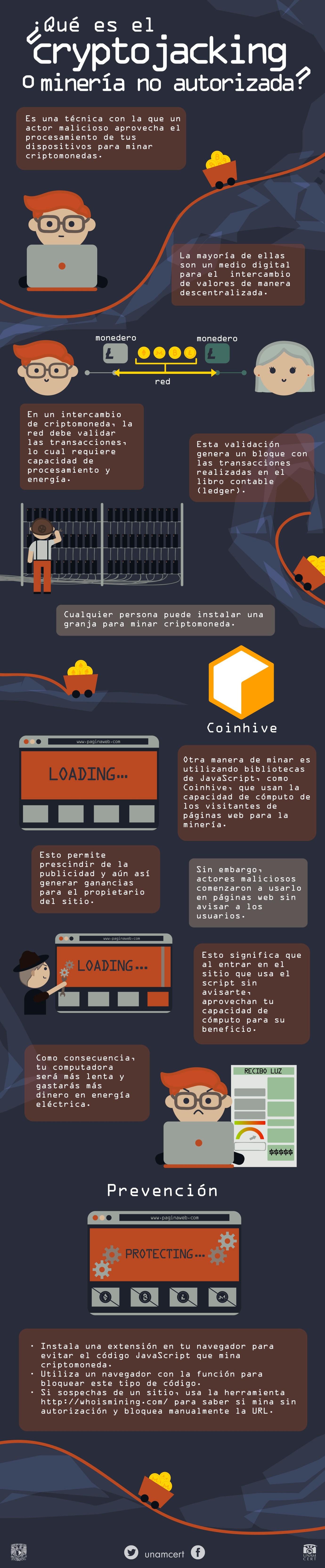
- Cryptojacking via CVE-2023-22527: Attackers are exploiting this vulnerability to deploy cryptojacking campaigns, secretly using the computational resources of compromised Atlassian Confluence servers for cryptocurrency mining.
- Methods and Tools: Trend Micro researcher Abdelrahman Esmail revealed that threat actors employ shell scripts, XMRig miners, target SSH endpoints, and kill competing crypto mining processes. They also maintain persistence via cron jobs, ensuring their illicit activities continue undetected.
- Godzilla Fileless Backdoors: In a new attack vector, hackers are using the Godzilla webshell, a fileless backdoor, to exploit CVE-2023-22527. This stealthy approach enables them to maintain a persistent presence on the compromised server without leaving traditional malware footprints.
Defending Against the Threat: Strategies for Protection
Atlassian has released a security advisory and patches for CVE-2023-22527, and users are strongly advised to update their Confluence Data Center and Server installations to the latest versions. Here are some additional strategies to bolster defense:
- Patch Management: Prioritize regular patching and updates to ensure known vulnerabilities are addressed promptly, reducing the window of opportunity for attackers.
- Security Audits: Conduct frequent security audits and vulnerability assessments to identify and remediate potential weaknesses before they can be exploited.
- Behavioral Analysis: Implement behavioral analysis tools that can detect abnormal activity, such as unexpected resource usage or unusual network behavior, which could indicate cryptojacking attempts.
- Multi-Factor Authentication: Enable multi-factor authentication to add an extra layer of security, making it harder for unauthorized individuals to gain access.
Conclusion: Staying Ahead in the Cybersecurity Arms Race
The exploitation of the Atlassian Confluence flaw for cryptojacking underscores the dynamic nature of cyber threats. As attackers devise new tactics, organizations must stay vigilant and proactive in their defense strategies. By adopting a holistic approach to cybersecurity, including prompt patching, robust security practices, and behavioral analysis, enterprises can fortify their defenses and protect their valuable assets.
Staying ahead in the cybersecurity arms race is a continuous pursuit, and with the ever-evolving nature of threats, it’s essential to maintain a dynamic and adaptive posture.
What steps will you take to fortify your organization’s defenses against emerging threats?

